
Japanese Football Culture: Rising Talents Making an Impact in Europe
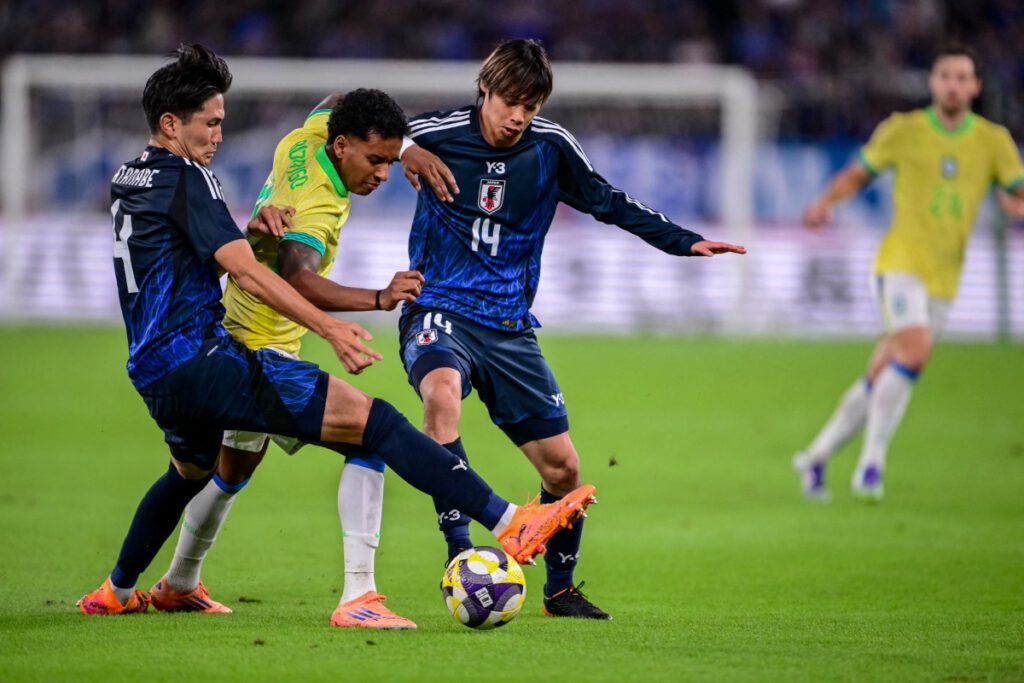
Japanese football has experienced remarkable growth over the past years. Curious about the rise of Japanese football, we turned to someone at the heart of it. Our friend and licensed agent Shogo Onuki shared firsthand insights into the Japanese football culture, mentality and pathways shaping Japan’s new generation of players. According to Onuki, several systems now work together and are responsible for this rise. The J1 League academy structure, combined with strong high school and university competitions has created a unique and effective development pathway. These institutions are even recognized in Europe as valuable scouting grounds. Besides technical training, Japan now emphasizes total development, including tactical understanding, physical conditioning and mental resilience, producing well-rounded players ready for international challenges.
Quick navigation
Shogo Unaki’s on the Japanese football culture
From player to agent
Shogo Onuki’s journey into football representation was shaped by his own playing background at FC Tokyo U18 and Ryutsu Keizai University, where he built strong connections across Japan’s development system. He later founded a company managing players’ image rights and sponsor relations before becoming an agent.
He emphasizes that in Japan, agents are expected to act strongly in the player’s best interest, with flexible representation models allowing both exclusive and non-exclusive contracts.
Having lived in Germany, Onuki observed that football culture in Europe is “hundreds of times deeper and more passionate” than the Japanese football culture, a key reason many Japanese players aspire to move to Europe.
Why Japanese players are thriving in Europe
The success of Japanese football talents in Europe is no coincidence. Onuki highlighted several contributing factors:
- Mature academy systems within the J1 League;
- International exposure through overseas tours and training camps;
- Return of former J1 League players as highly qualified coaches;
- Increased tactical and physical preparation;
- A growing pipeline of transfers to European clubs.
He stresses that the presence of Japanese national team players at the highest level in Europe, such as Kaoru Mitoma (Premier League), Ritsu Doan (Bundesliga & Champions League) or Wataru Endo (Premier League and Champions League), has accelerated development and raised global recognition.

What European clubs value
European clubs often praise the Japanese football culture and players for:
- Discipline and professionalism;
- Tactical intelligence;
- Technical quality;
- Speed and work rate;
- Team-first mentality.
Onuki adds that affordability compared to other markets also plays a role in recruitment decisions.
Rising Japanese talents to watch
Among the next wave of Japanese talents, Onuki points to players who participated in the U20 World Cup as likely to make an impact in Europe, including Rion Ichihara (20) who recently transfered from RB Omiya Ardija to AZ Alkmaar, Yuto Ozeki (21) and Soma Kanda (20) from Kawasaki Frontale, Ryunosuke Sato (19) from FC Tokyo, Hisatsugu Ishii (20) from Shonan Bellmare as well as some standout university players, one of which is signed at Onuki’s agency.
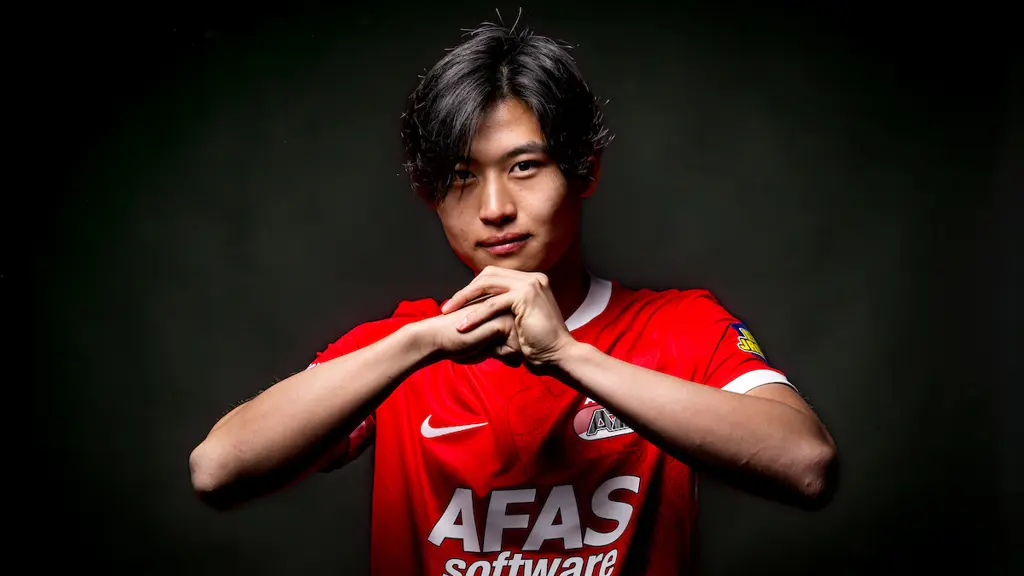
He notes that Japan’s university system remains an underrated pathway, with several late developers emerging as professional prospects.
Japan vs Europe: development & mentality
Key differences in youth development
The Japanese football culture traditionally emphasize structure, discipline and team harmony. In contrast, European culture often encourage individual decision-making, risk-taking and creativity from a young age.
Japan’s dual system with university football and club academies, can create inconsistencies in player development, while Europe typically offers clearer pathways to professional first teams.
Mentality & playing style
Japanese players
- Highly disciplined and tactically reliable;
- Technically refined in passing and positioning;
- Team-oriented and humble.
European players
- More individualistic and expressive;
- Physically robust and accustomed to high intensity;
- Encouraged to take risks and improvise.
Challenges abroad
Japanese players moving overseas often face trouble with:
- Language barriers;
- Physical intensity and faster tempo;
- Cultural adaptation and loneliness.
Onuki stresses that mental resilience is crucial for success abroad.
Transfers & scouting trends
European clubs are increasingly proactive in scouting Japan. Northern and Eastern European leagues have become common entry points due to greater playing opportunities.
However, Onuki warns that only a small percentage of players are truly ready for the move, highlighting the importance of preparation beyond football, including life skills and personal wellbeing.
The future of Japanese football
Onuki is optimistic about the long-term trajectory of Japanese football development. With more players moving abroad and development systems improving, Japan is positioning itself as a global football force.
His advice to young players dreaming of playing in Europe:
- Challenge yourself at higher levels early;
- Embrace trial and error;
- Prioritize health, balance and personal growth.
He emphasizes that football is only one part of life, a philosophy he believes is essential for sustained success.
Final thoughts
The growth inside of the Japanese football culture is no longer a quiet evolution, it is a global movement. With a strong culture, disciplined players and increasing European influence, Japan is shaping a new generation of footballers ready to compete at the highest level.
For scouts, fans and analysts, the message is clear: Japanese football is a market to watch, now and in the future.
How far do you think Japan will reach at the 2026 World Cup? Share your thoughts in the comments below or join the conversation on our Instagram!